Need a Technical Advice?

15-Ton Hydraulic Tilting Platform: Safe 90° Reorientation for Industrial Refrigeration Units

Project Overview

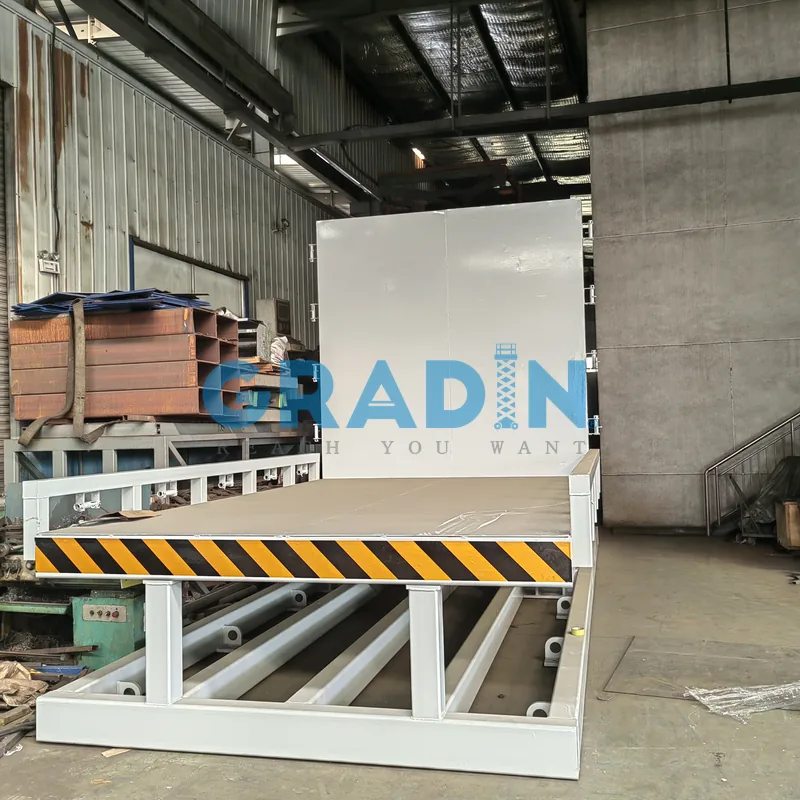
Flipping a 15-ton industrial refrigeration unit using an overhead crane is a high-stakes maneuver that many facilities still perform manually. However, this “crane-flipping” method is inherently unstable. Our 15-ton Hydraulic Tilting Platform is designed to take the crane out of the flipping equation, providing a dedicated, floor-based mechanical solution to transition heavy cooling equipment from vertical to horizontal orientations.

For manufacturers in Australia, where workplace safety regulations are among the strictest in the world, this platform is a direct response to the need for controlled, repeatable material handling.

Challenge & Solution

Challenge

The Hidden Costs of Manual Crane Flipping

Using a crane to tip a 15,000kg load is not just inefficient; it is a liability. When a refrigeration unit reaches its tipping point during a manual flip, the center of gravity shifts uncontrollably. This creates four primary risks:

  • Structural and Component Damage: Sudden “drops” or jolts during a crane tilt can warp frames or damage sensitive internal refrigeration coils, leading to expensive rework or warranty claims.

  • WHS Hazards (Personal Injury): In the event of a sling failure or unexpected load swing, floor personnel are in the direct line of fire. Australia’s Work Health and Safety (WHS) laws place the burden of prevention on the employer.

  • Production Bottlenecks: Manual flipping requires multiple spotters, specialized rigging, and slow crane movements. This ties up the facility’s most expensive assets—cranes and skilled labor—for extended periods.

  • Legal & Financial Liability: Relying on non-engineered flipping methods leaves a business exposed to massive fines, insurance premium hikes, and potential litigation following an onsite incident.

Solution

Solution: Controlled 90-Degree Mechanical Tilt

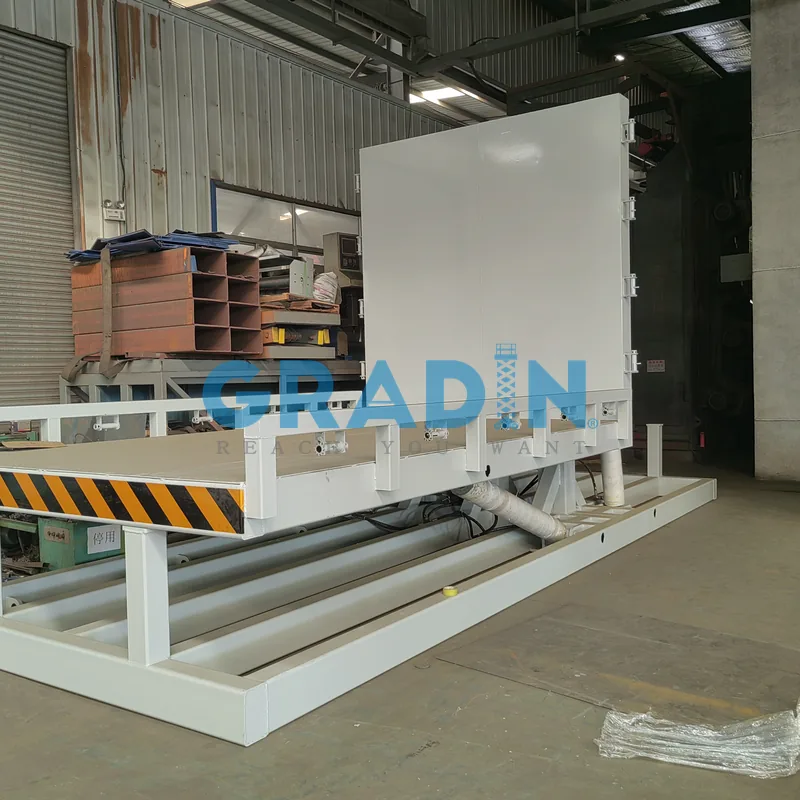
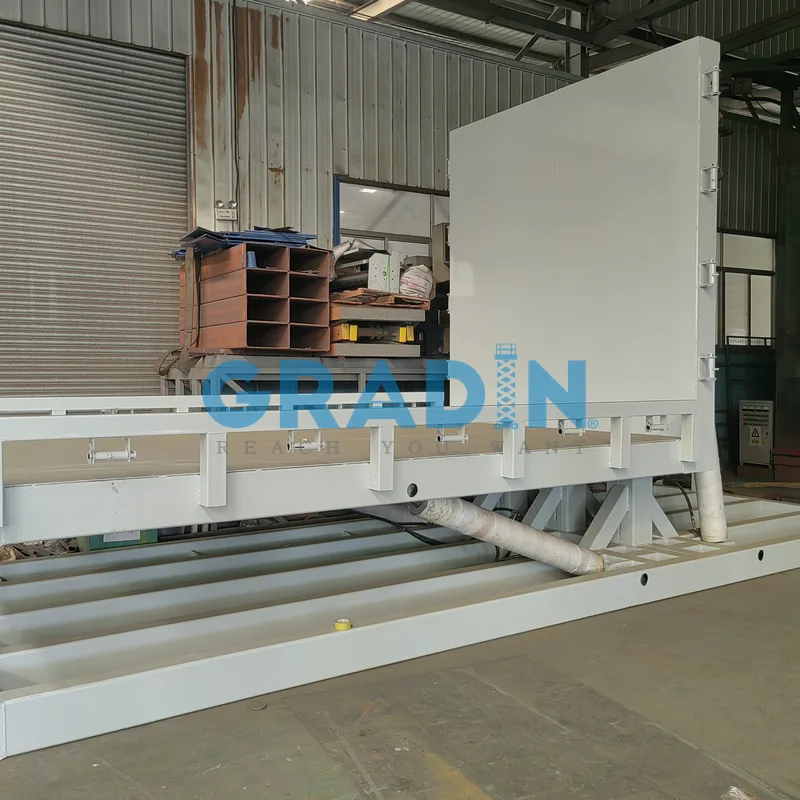
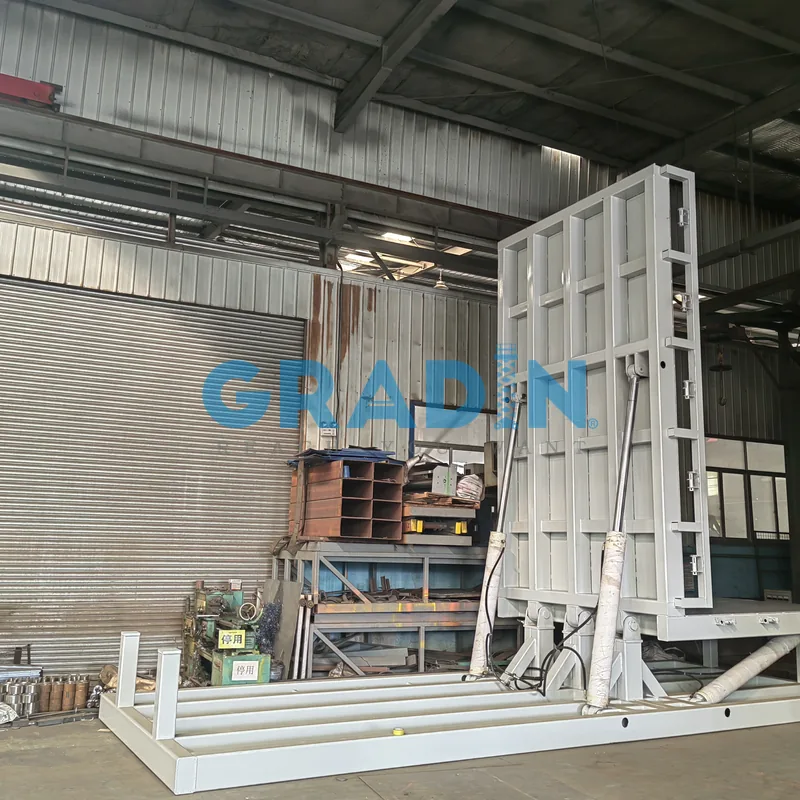
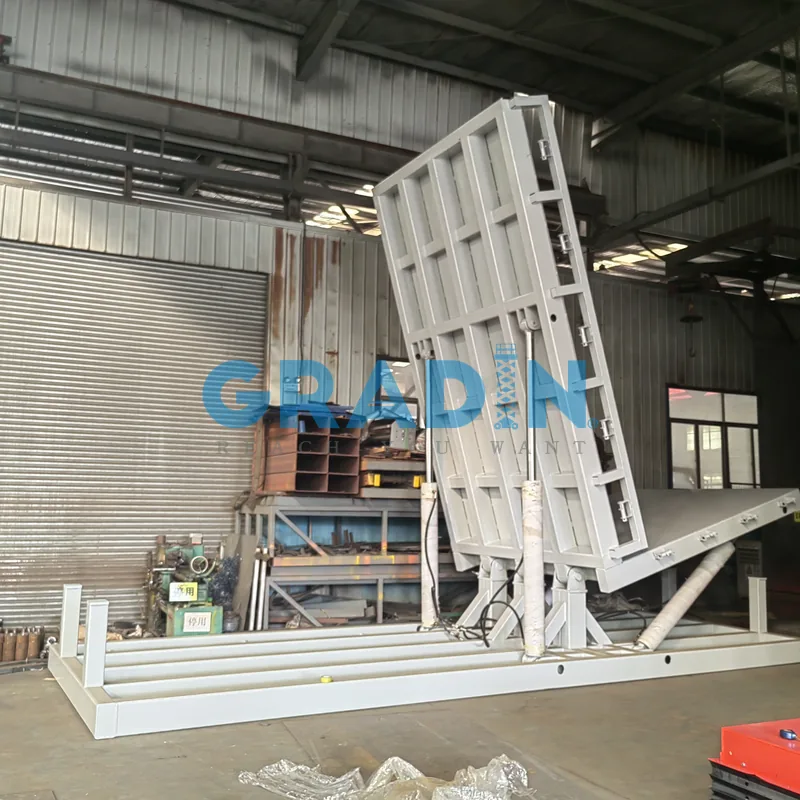
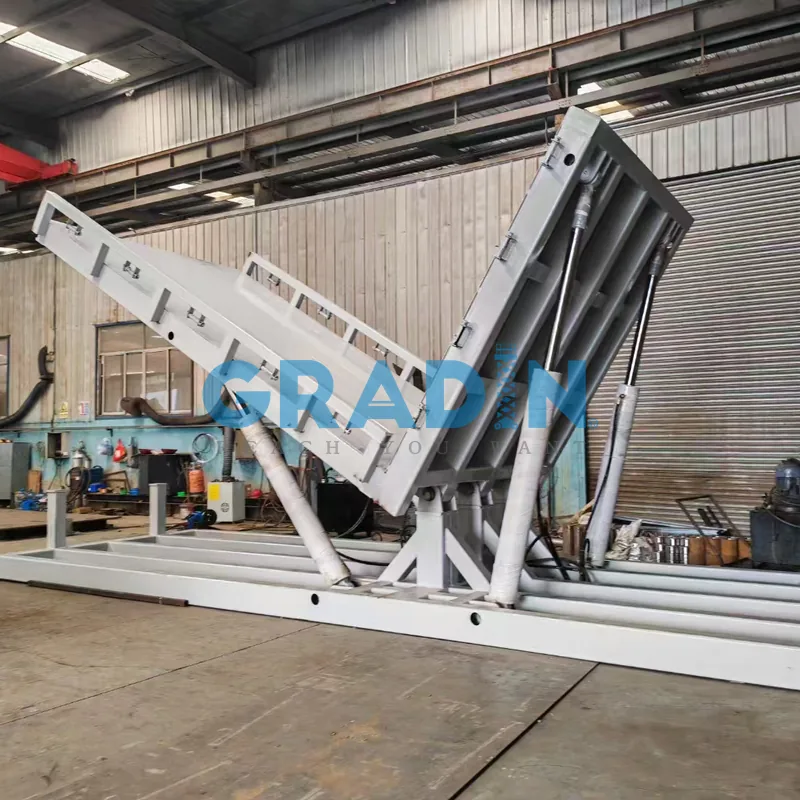
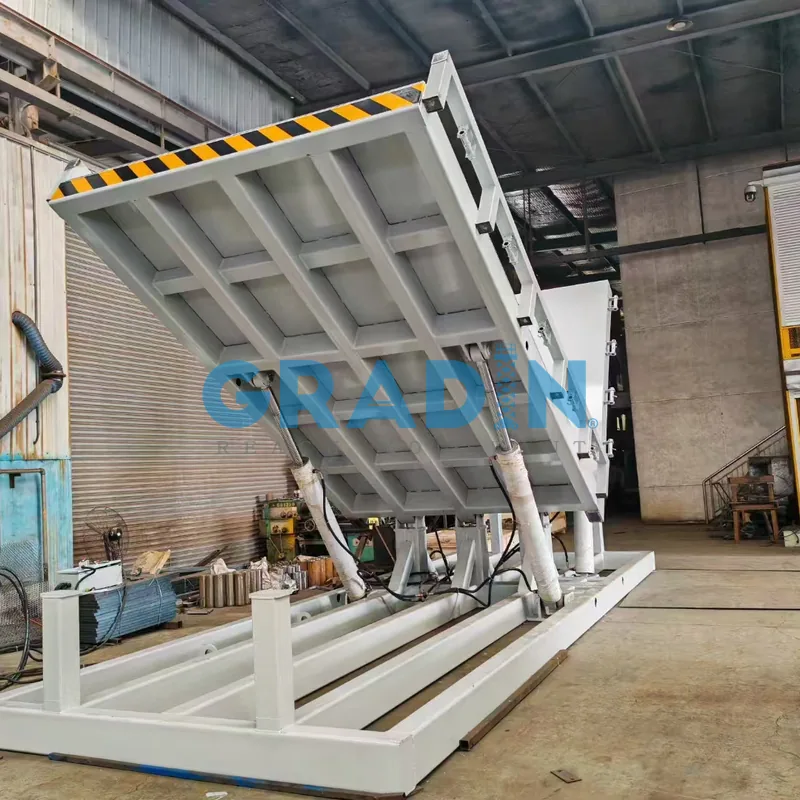
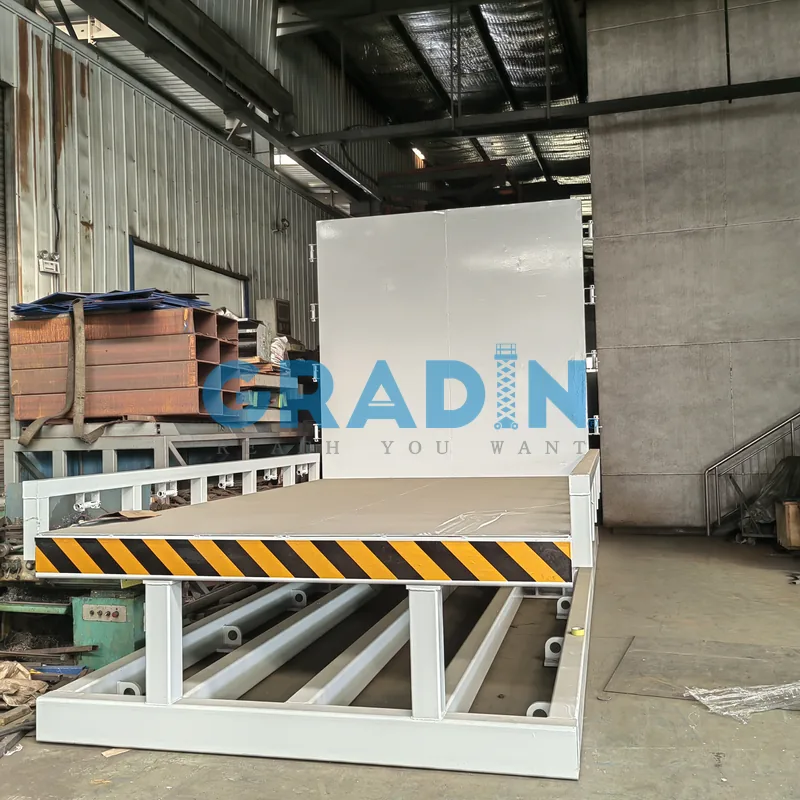
The 15-ton Hydraulic Tilting Platform replaces manual guesswork with synchronized hydraulic power. The operation is straightforward: the crane places the unit on the platform, and the hydraulic system completes the tilt.

Side Protection and Load Securing

Safety on this platform is physical, not just theoretical. We have integrated fixed guardrails on both sides of the tilting deck to serve as a secondary containment measure. Furthermore, the platform features integrated tensioners (binders). These allow operators to lash the refrigeration unit to the deck using heavy-duty straps or ropes, ensuring the product cannot slide laterally or tilt prematurely during the 90-degree arc.

Technical Specifications

Feature Engineering Detail
Safe Working Load (SWL) 15,000 kg (15 Tons)
Tilting Range 0° to 90° (Smooth Hydraulic Stroke)
Drive System Dual-cylinder high-pressure hydraulic logic
Safety Hardware Side Guardrails + Integrated Rope Tensioners
Control Interface Wired Pedestal Station (Dead-man control for safety)
Power Requirement 415V / 50Hz / 3P (Australian Grid Standard)
Surface Finish High-visibility safety yellow with industrial anti-corrosion coating

Applications: Heavy HVAC and Industrial Cooling

This 15-ton Hydraulic Tilting Platform is built for the rigors of heavy industry. It is specifically intended for:

  • Industrial Refrigeration Manufacturing: Safe handling of large-scale condensers, chillers, and AHUs.

  • Heavy Machinery Assembly: Positioning oversized components that require edge-to-edge protection.

  • Export Logistics: Tilting vertical units to a horizontal position for standard container or flat-rack loading.

Why_This_Solution: Why Australian Facilities are Switching

The move from manual crane flipping to a dedicated 15-ton Hydraulic Tilting Platform is driven by more than just speed. It is about risk management.

  1. Predictable Stability: Unlike a crane sling, which allows the load to swing, the hydraulic platform provides a fixed axis of rotation. The movement is smooth, constant, and fully reversible.

  2. Compliance with Australian Standards: Our systems are built to meet the electrical and mechanical safety expectations (AS/NZS standards) required for heavy industrial equipment in Australia.

  3. Reduced Labor Footprint: A single operator can manage the tilting process from a safe distance using the control pedestal, freeing up rigging crews for other assembly tasks.

Project Gallery